AI and Cancer: The Breakthrough Era of Early Detection, Precision Treatment, and Prevention
For decades, cancer treatment has focused on reacting after diagnosis. Today, that model is shifting.
👉 The future is about predicting, preventing, and personalizing treatment before cancer progresses.
🚀 The Big Shift: From Reactive to Predictive Medicine
Traditional cancer care often begins after symptoms appear—when the disease may already be advanced.
AI is changing that by:
- Detecting patterns humans can’t see
- Identifying risk earlier
- Improving accuracy in diagnosis
👉 This means earlier intervention and better outcomes.
🔍 Breakthrough #1: AI-Powered Early Detection
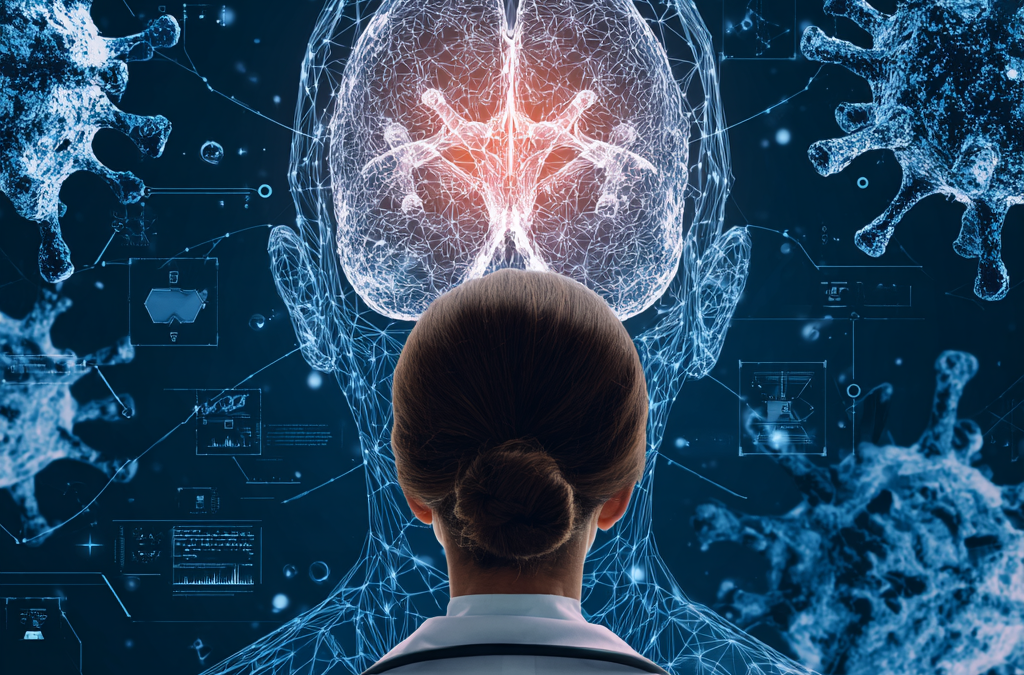
AI systems can now analyze:
- Medical imaging (X-rays, MRIs, CT scans)
- Blood biomarkers
- Genetic data
With incredible precision.
🧠 What This Means:
- Tumors can be detected earlier
- False positives are reduced
- Diagnosis becomes faster and more accurate
💡 In many cases, AI can identify abnormalities before symptoms appear.
🧬 Breakthrough #2: Precision Medicine & Personalized Treatment
Not all cancers are the same—and neither are patients.
AI helps create personalized treatment plans by analyzing:
- DNA and genetic mutations
- Tumor characteristics
- Patient response patterns
🎯 Result:
👉 Treatments are tailored to the individual
👉 Fewer side effects
👉 Higher success rates
This is known as precision oncology—and it’s rapidly evolving.
🤖 Breakthrough #3: Drug Discovery Acceleration
AI is dramatically speeding up the development of new cancer therapies.
Instead of taking years:
- AI can simulate drug interactions
- Identify promising compounds faster
- Reduce research costs
👉 This leads to:
- Faster innovation
- More targeted therapies
- Greater accessibility over time
🛡 Breakthrough #4: Prevention Through Data
AI doesn’t just treat cancer—it helps prevent it.
By analyzing large datasets, AI can identify:
- Lifestyle risk factors
- Environmental exposures
- Genetic predispositions
👉 This allows individuals to:
- Make proactive changes
- Reduce long-term risk
- Monitor health more effectively
🌐 The Integration of AI + Lifestyle Medicine
The future of cancer care is not just technology—it’s integration.
AI + lifestyle = powerful prevention.
Key pillars include:
- Nutrition (anti-inflammatory diets)
- Physical activity
- Stress management
- Sleep optimization
👉 These factors work alongside advanced technology to create a full-spectrum prevention strategy.
💊 Access to Treatment Still Matters
While innovation is accelerating, access to treatment remains a critical issue.
Many patients face:
- High medication costs
- Limited availability
- Insurance barriers
🔗 Prevention Is Still the Foundation
Even with AI breakthroughs, one truth remains:
👉 Prevention is the most powerful strategy
Explore the full guide:
https://www.ordercancerdrugs.com/stop-cancer-before-it-starts-the-science-of-prevention-and-longevity/
🧠 Supporting Your Whole Health System
Cancer prevention and treatment are deeply connected to overall health:
👉 Mental wellness:
https://www.mentalhealthtopics.com/mind-over-matter-unlocking-the-power-of-mental-wellness/
👉 Heart health:
https://www.ehealthhub.com/heart-health-guide/
👉 Weight & metabolism:
https://www.healthmedcenter.com/weight-loss-guide/
👉 Diabetes prevention:
https://medicalhealthissues.com/guide-to-diabetes-understanding-managing-and-preventing-diabetes/
🔮 What’s Next? The Future of Cancer Care
We are entering a world where:
- AI predicts disease before it develops
- Treatments are personalized to your biology
- Prevention becomes the standard—not the exception
👉 The goal is not just to fight cancer—
but to make it increasingly preventable and manageable.
🚀 Final Takeaway
Cancer is still one of the greatest health challenges of our time—
but the tools to fight it are evolving faster than ever.
👉 Technology is advancing
👉 Knowledge is expanding
👉 Control is shifting to the individual
And that means:
👉 Your future health is more in your hands than ever before.
⚠️ Disclaimer
This article is for informational and educational purposes only and is not intended as medical advice, diagnosis, or treatment. Always consult a qualified healthcare provider before making any decisions regarding cancer prevention, screening, or treatment.